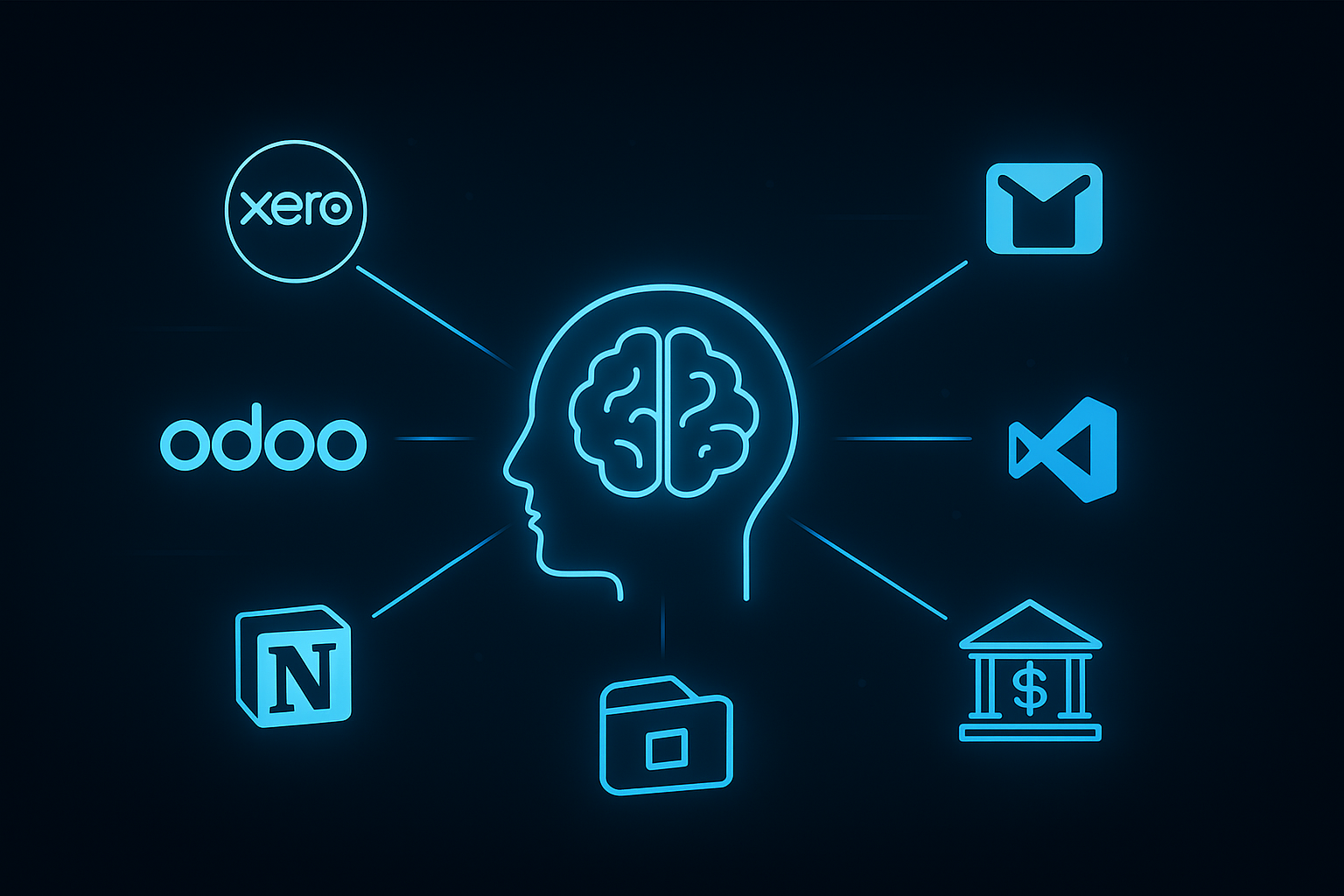
Bookkeeping is no longer just about keeping records for compliance. For many businesses, it is the operational layer that supports reporting, payroll coordination, VAT, and management decisions.
Why spreadsheets start to break
Spreadsheets can work at the earliest stage, but they usually become fragile once a business starts growing. Version control becomes messy, supporting documents get separated from the numbers, and month-end takes longer than it should.
What changes with a digital workflow
A structured cloud setup helps teams move from reactive bookkeeping to a process that supports the wider business.
Typical improvements include:
- direct bank feeds and cleaner reconciliation routines
- digital document collection for invoices and receipts
- shared visibility between the business owner, internal team, and outsourced finance support
- faster production of management accounts
The benefit is not just software
The software matters, but the bigger win is process discipline. A good bookkeeping setup creates routines for coding transactions, reviewing exceptions, handling approvals, and closing each month in a repeatable way.
Final thought
Digital bookkeeping does not replace judgement. It removes friction so that finance support can focus more on accuracy, interpretation, and action.